
The House Settles Up
Twenty locations, one hundred trophies, zero participation ribbons — BRODIE® Summer '26 closed as the biggest chapter in league history.

Seasons
Seasons
Summer ’26
Fall ’26
Winter ’26
Spring ’26
Start a team. Fill your roster of nine players and play free.
Register solo or use your team code to join a Captain’s Roster
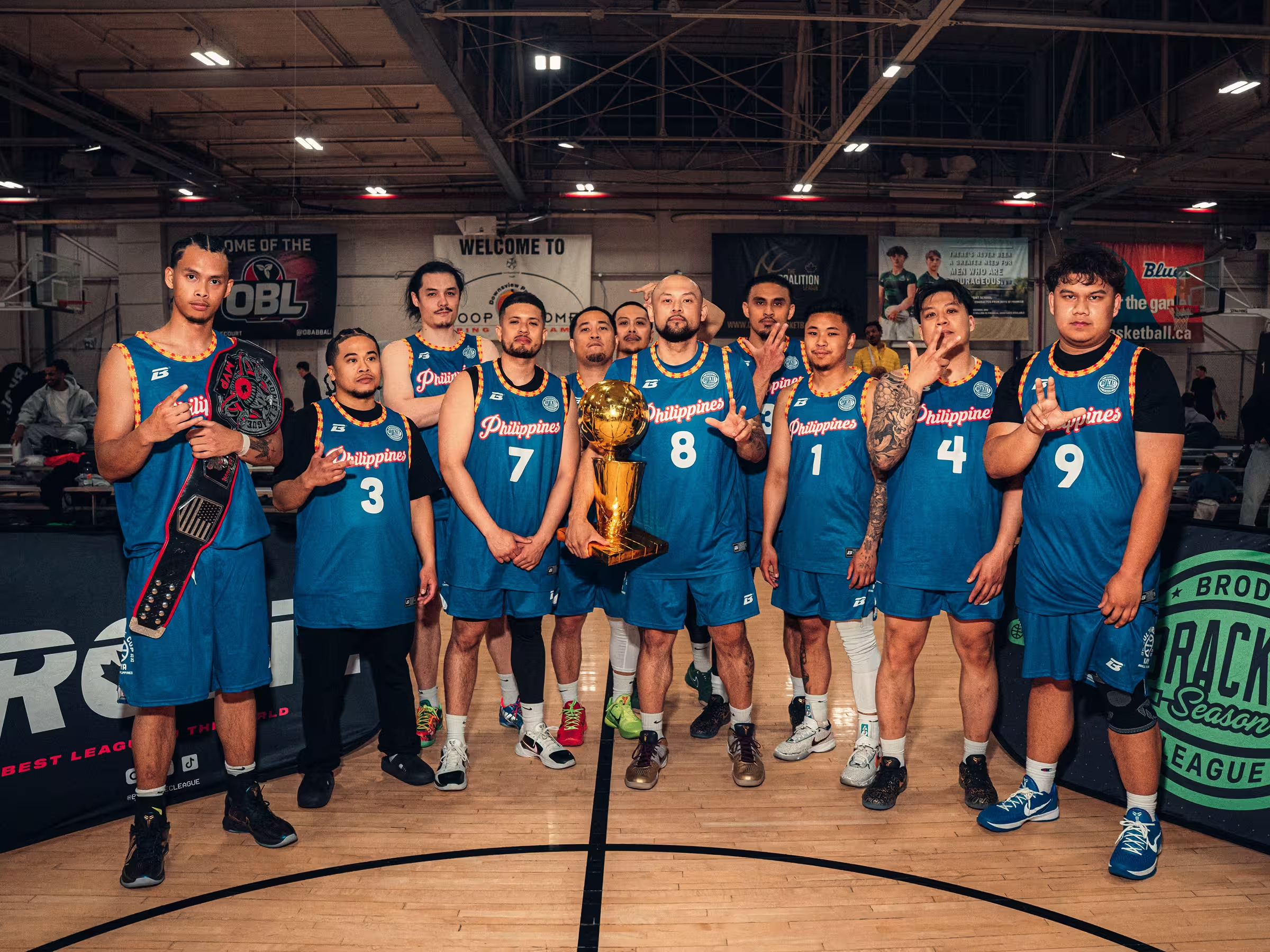
Rice is not a side dish. In the Philippines, it's on the table before every game, in every home, at the centre of every celebration worth having. In Sri Lanka, it's red and aromatic and passed around with the same ease as a good story. In Pakistan, it's pilaf and biryani and the smell of a kitchen that welcomes everyone in. In Jamaica, it's rice and peas on a Sunday, the kind of plate that makes people stay a little longer than they planned.
Four countries. Four cultures. One grain. One game.
The Culture Cup was founded by Paul Wandili, one of our League Managers, on a simple idea: that the things which actually unify people across difference are rarely policy or programming. They're the connective threads that already run through everyday life. Food. Sport. Music. The things you don't have to translate.
"It shows how diverse we really are," Paul says of the tournament. "And everyone gets to see it."
Rice Nations is built on a thread that runs even deeper than the grain itself. In the Philippines, brother is Kuya. In Sri Lanka, Machan. In Pakistan, Bhai. In Jamaica, Bredren. Four words. Four languages. One meaning. Each one is that country's native version of Brodie. The brand name, refracted four ways through four cultures that were already saying it long before the league existed to call it out.
That's the foundation. Brodie was never a word we made up. It was a word four different communities had already been using for generations, and the tournament is just where those four versions of the same word finally meet on the same court.
You put people in the same gym and the sport does the rest. Healthy competition turns into rivalry, rivalry turns into friendship, and friendship turns into the kind of connection that becomes extended family. The food in the parking lot, the music in the warmup, the language at the scorer's table. That's not the backdrop. That's the tournament.
The Culture Cup: Rice Nations brings four communities together around a shared foundation that was already there before anyone drew up a bracket. A grain that shows up at every table, every celebration, every post-game meal across four distinct food cultures. The Philippines, Sri Lanka, Pakistan, Jamaica. Different flavours, different traditions, different ways of cooking it. The same instinct to gather around it.
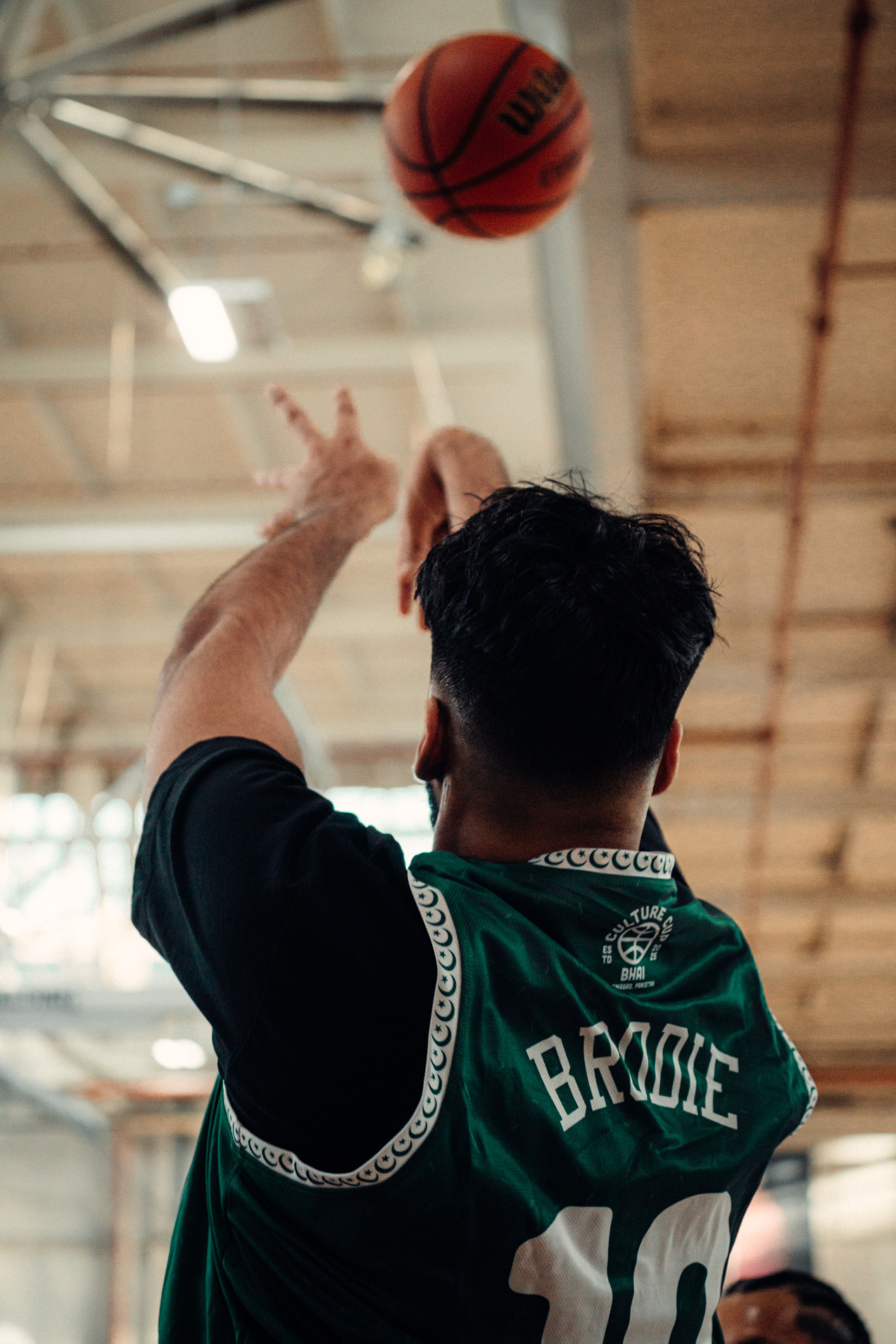
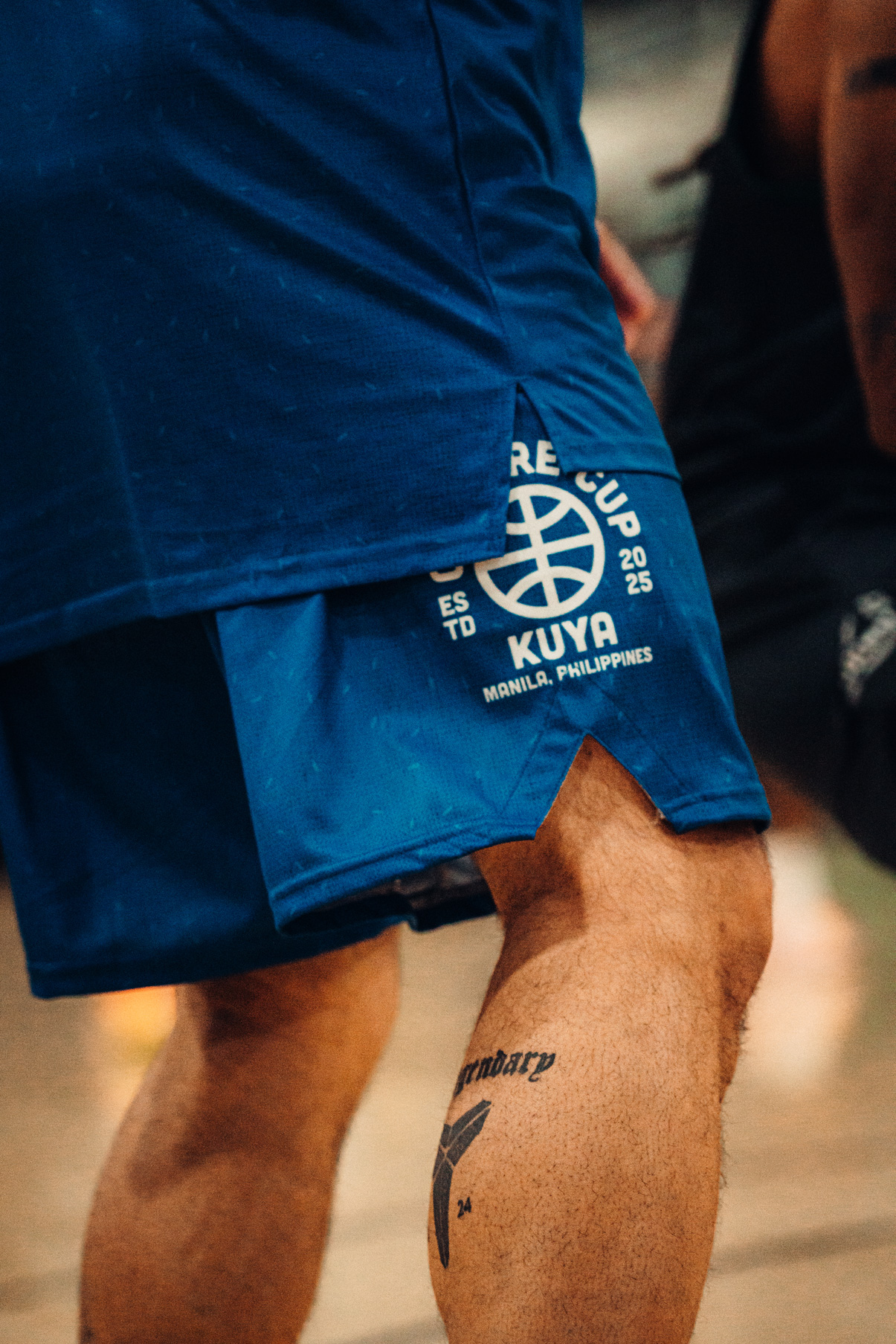
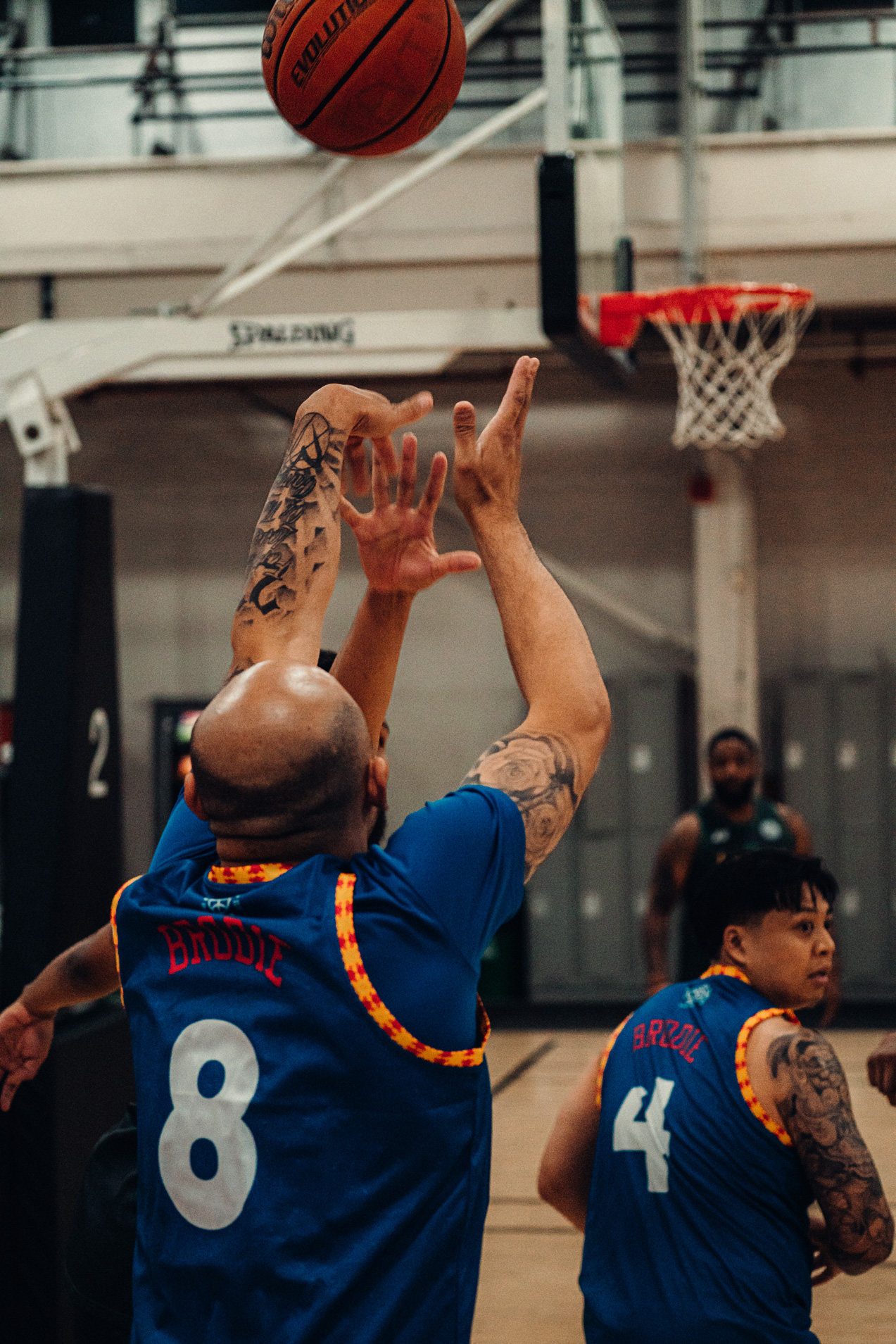
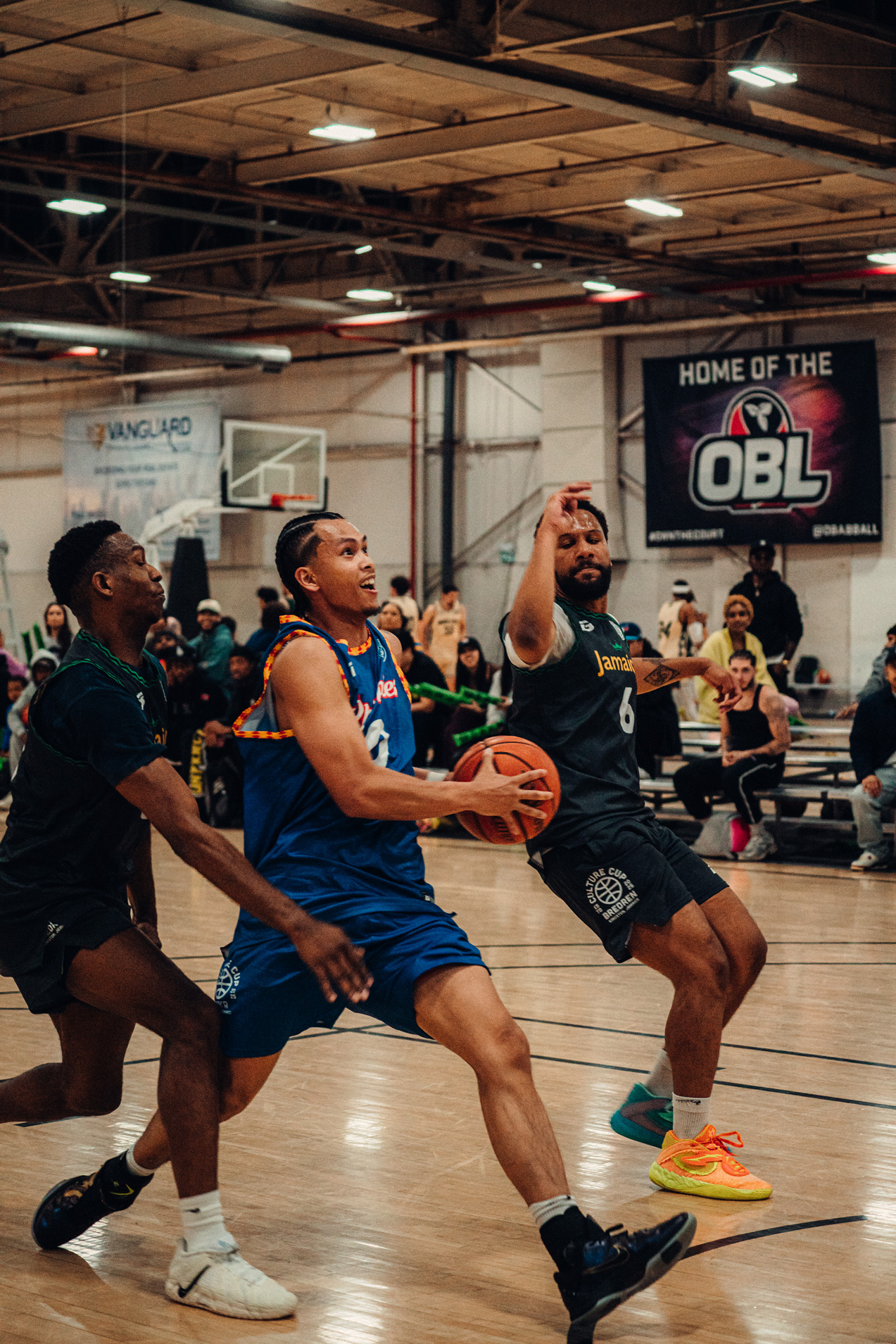
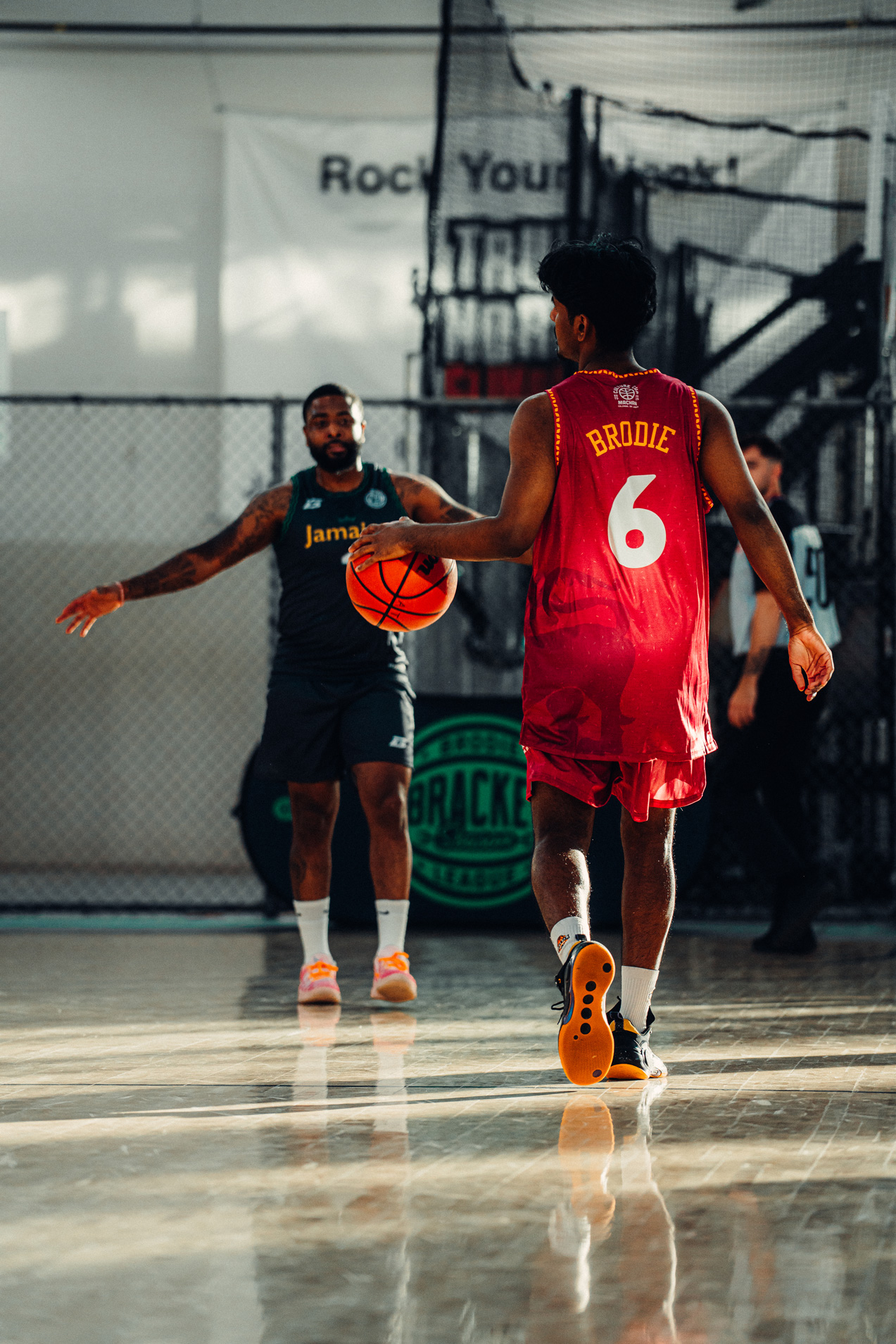
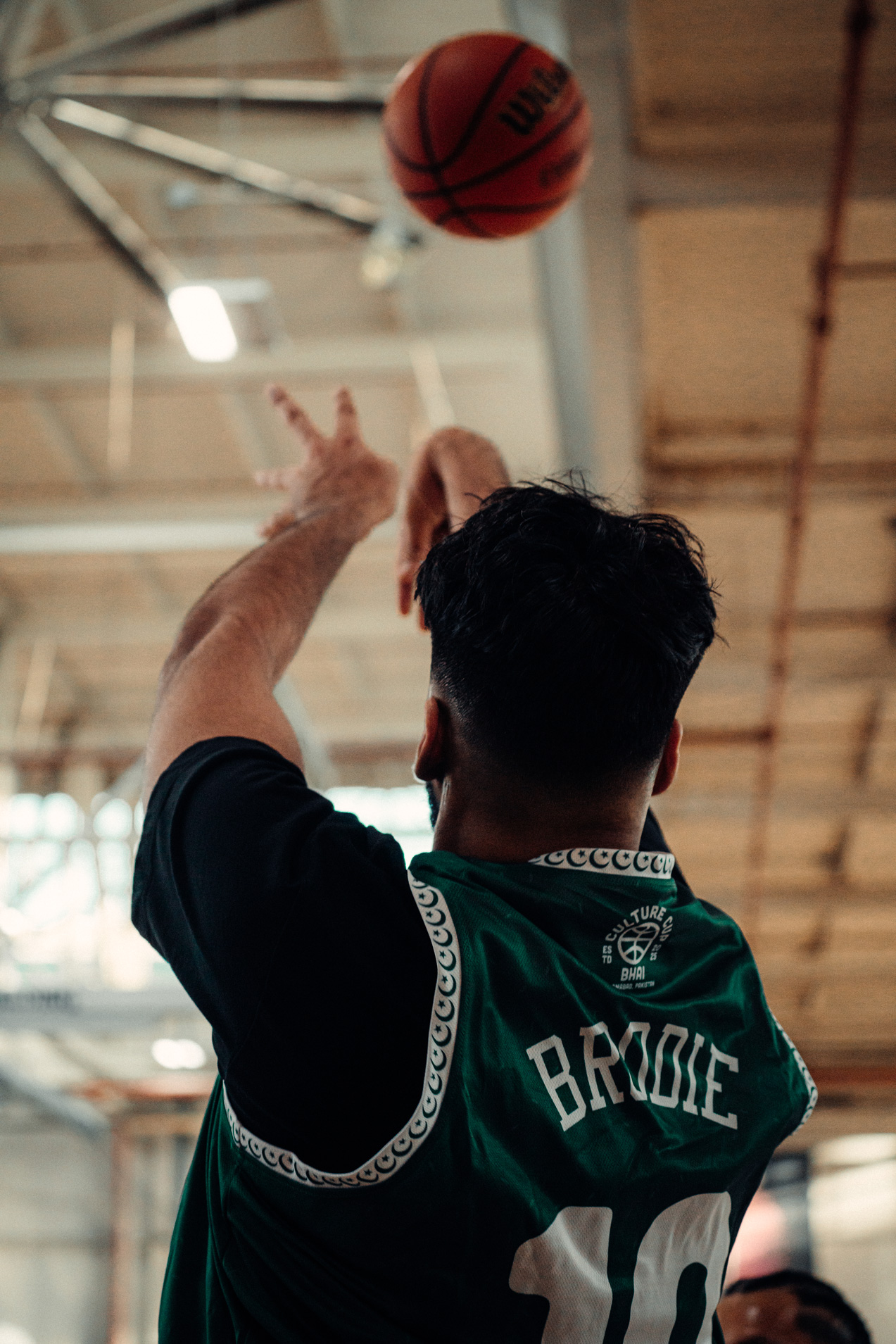
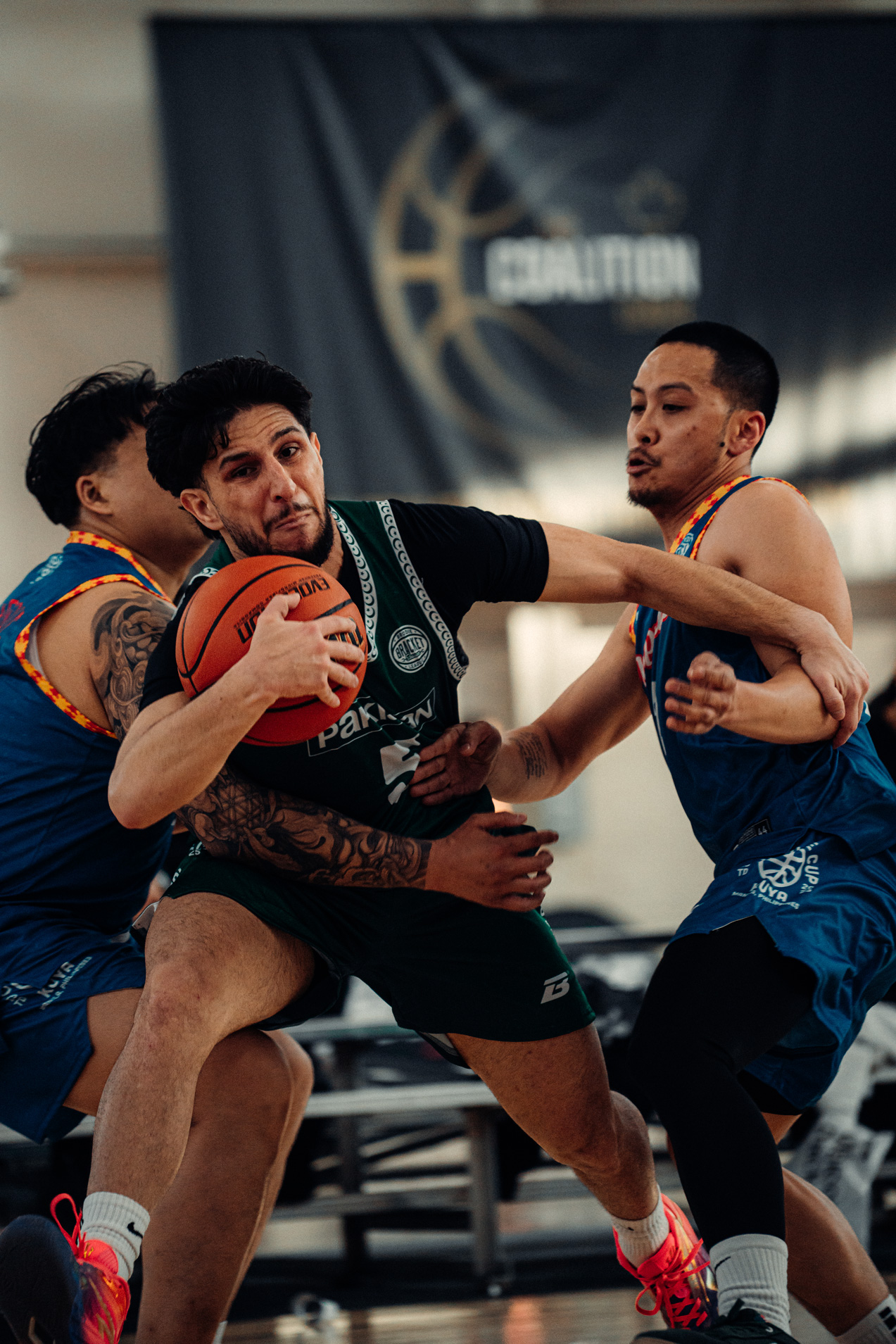
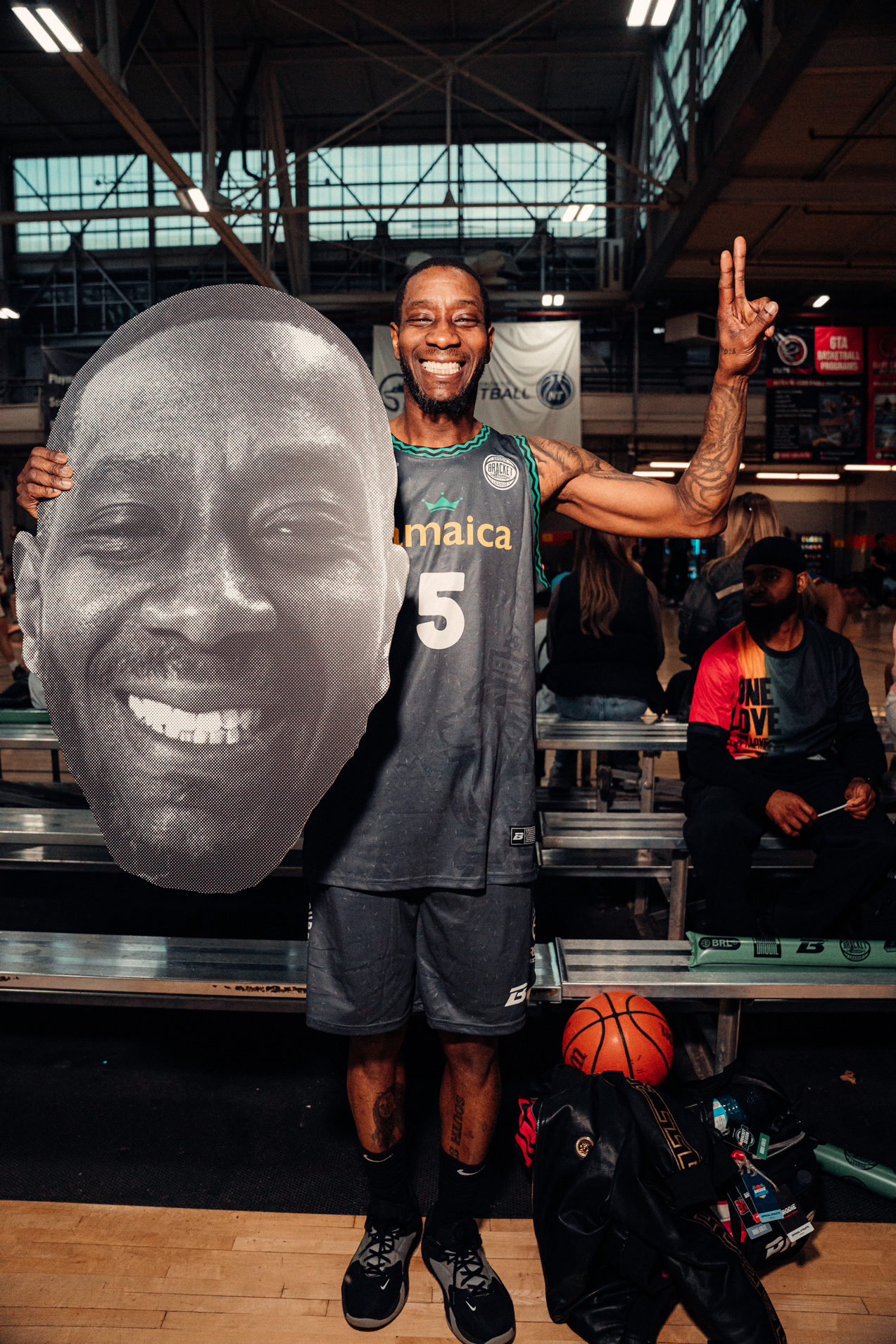
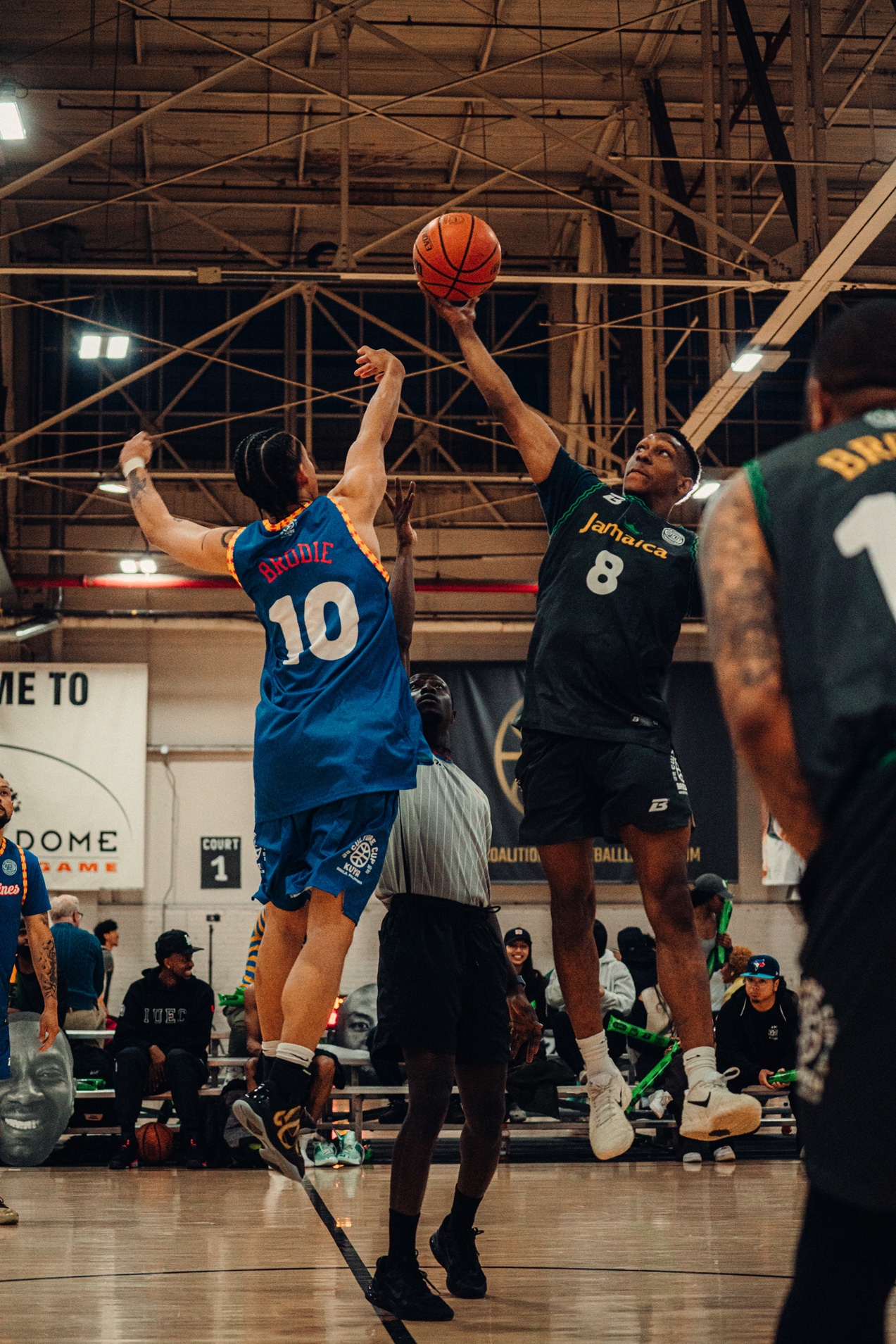
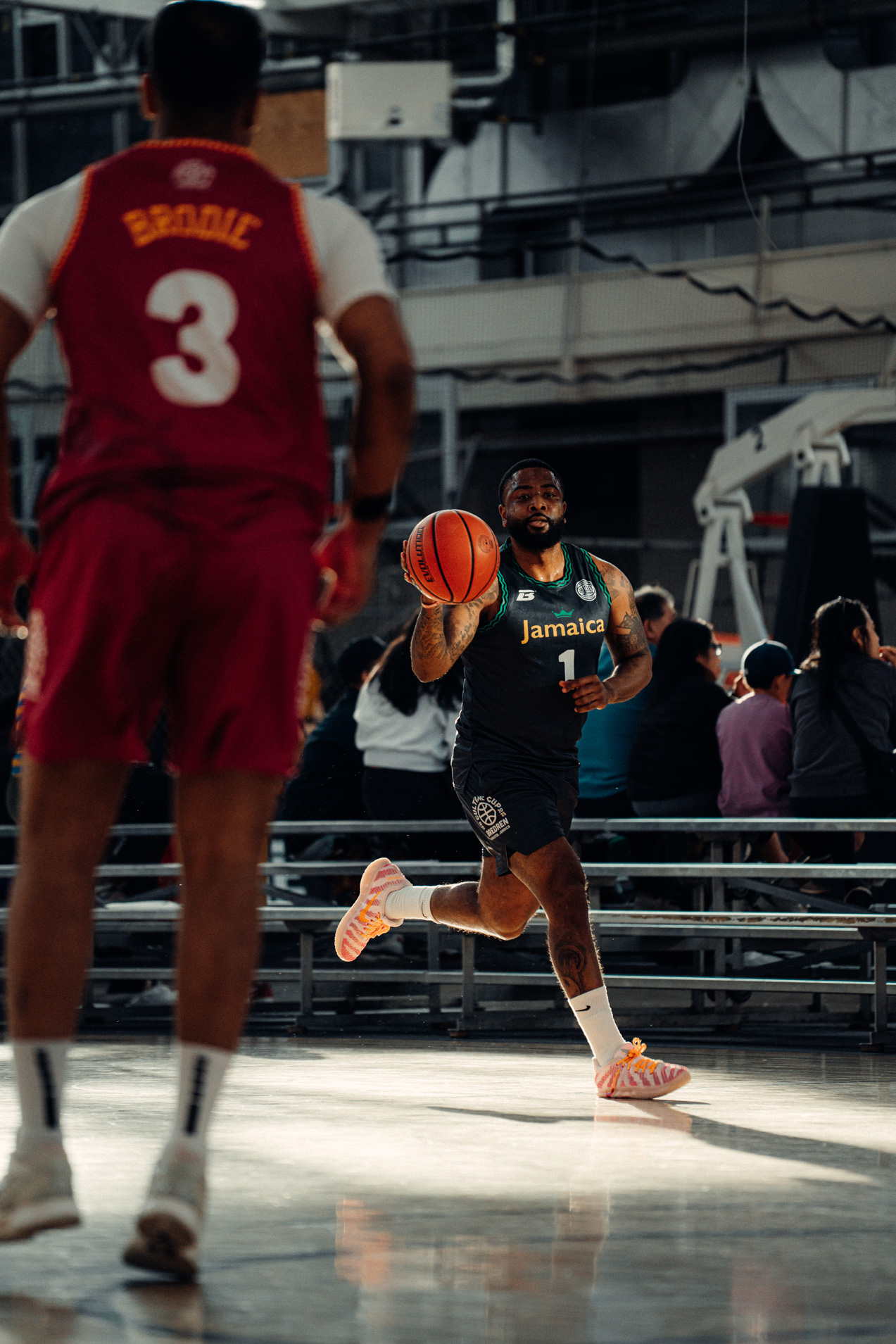
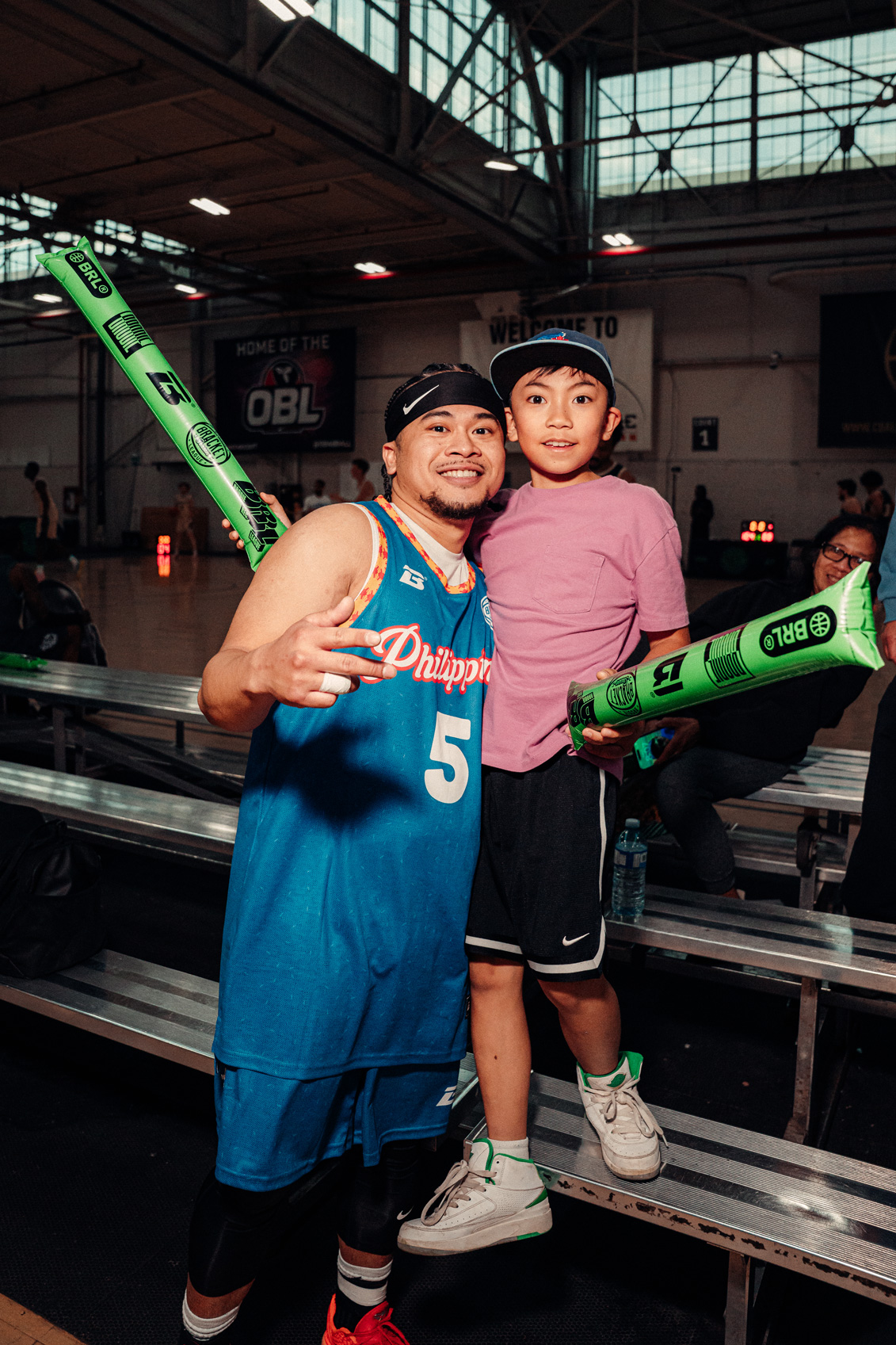
The kits make that visible. Every jersey is sublimated with a burlap weave and scattered grains of rice across the body. The bag and what's in it. Each Culture Cup roundel carries the country's word for brother above the city. Bredren in Kingston. Bhai in Islamabad. Machan in Colombo. Kuya in Manila. The novelty tees take it one step further and put the rice sack itself on the back of the shirt, stamped PRODUCT OF JAMAICA, PRODUCT OF PAKISTAN, PRODUCT OF SRI LANKA, PRODUCT OF THE PHILIPPINES. Same packaging. Four origins. One word for what we are to each other.
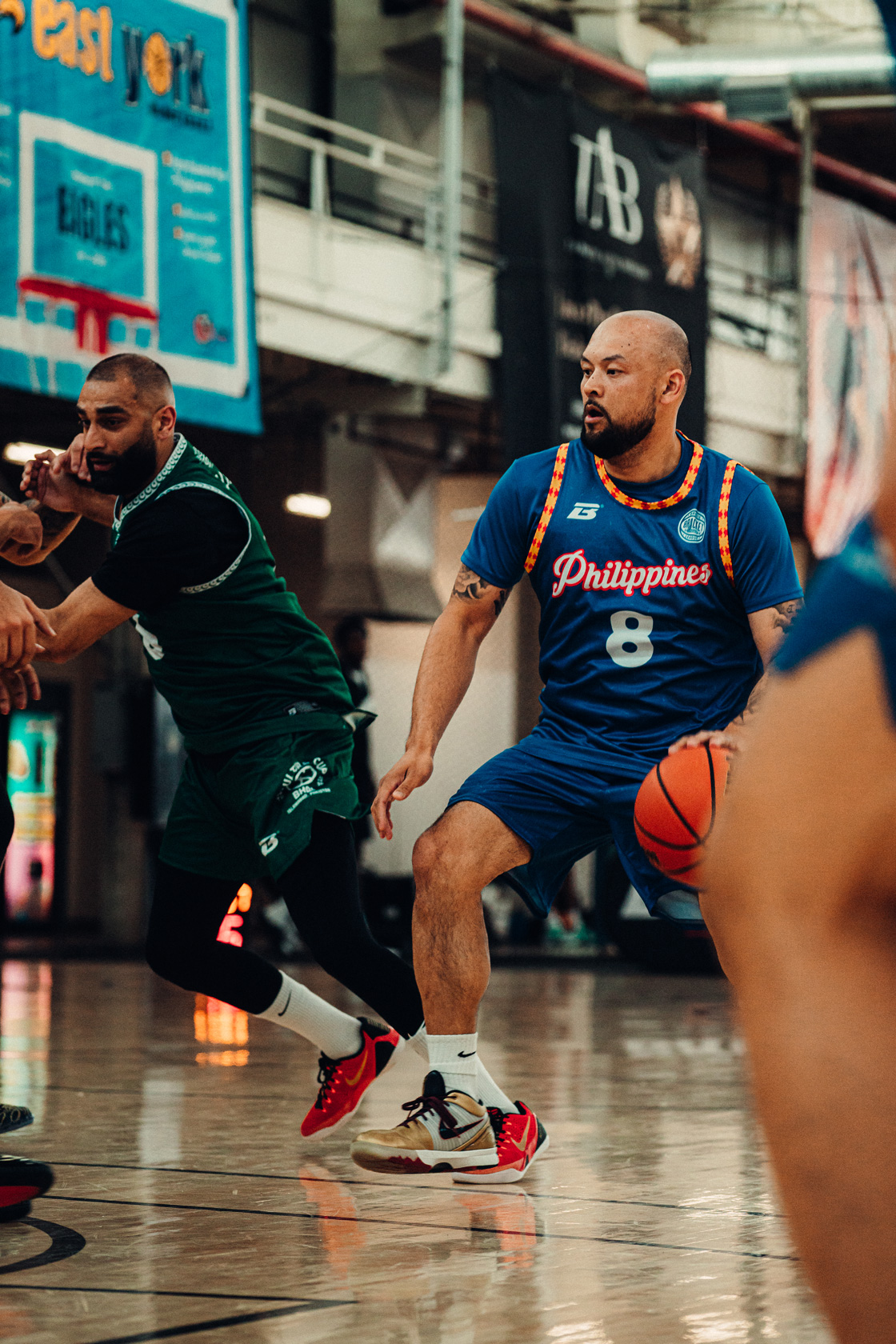
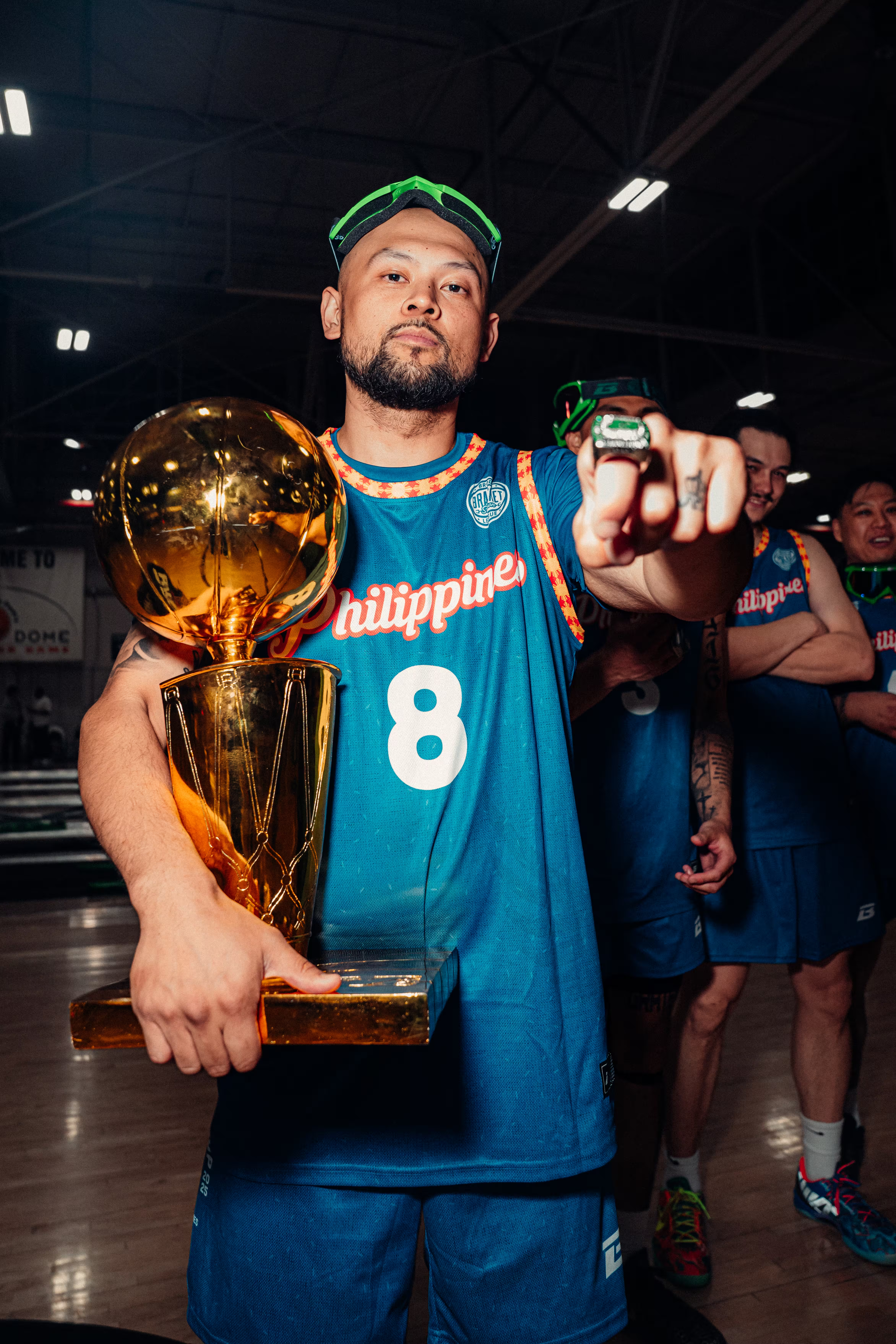
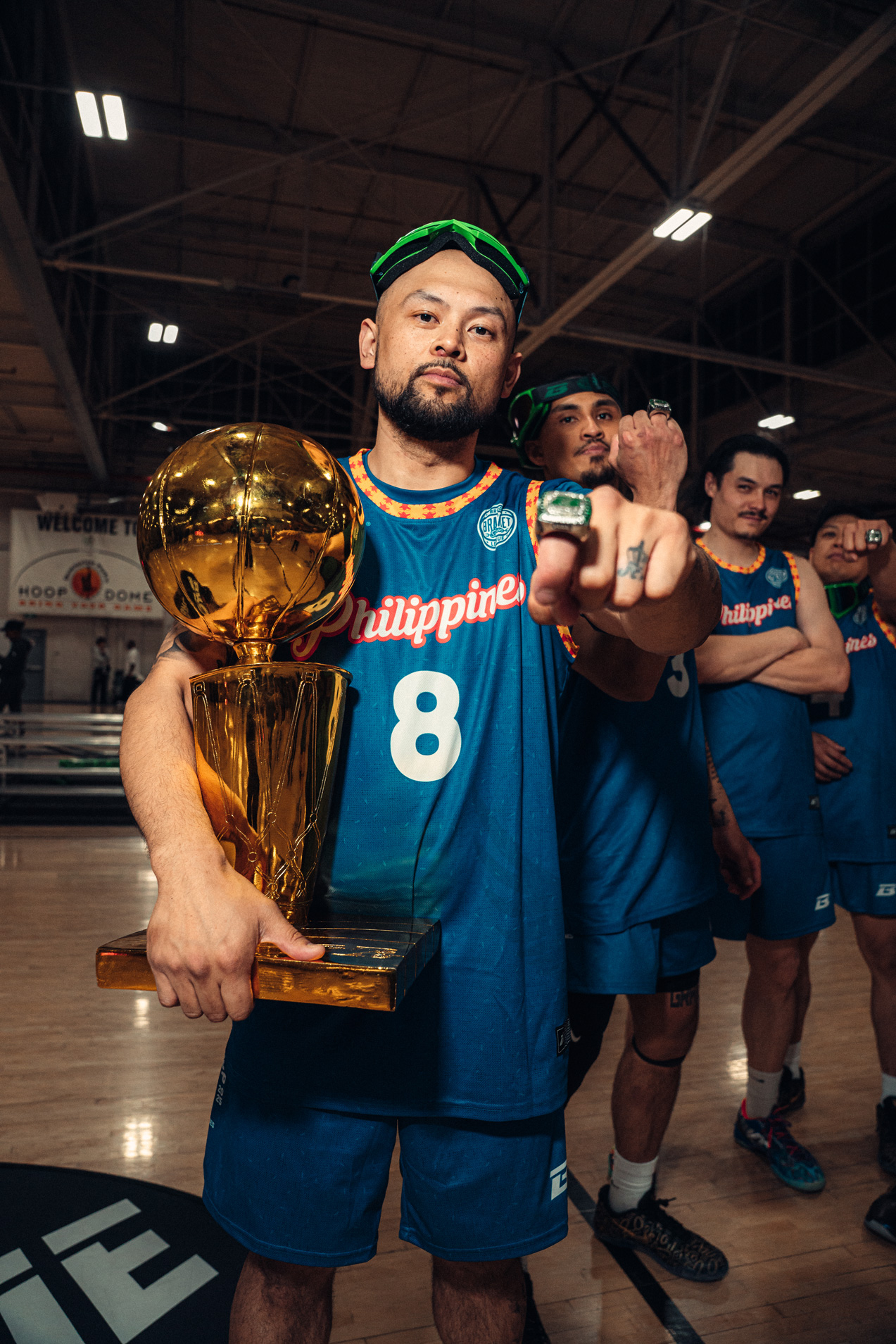
The Philippines didn't inherit basketball. They claimed it. They took it to the barangay and the rooftop court and the provincial gym and made it fully their own. The energy Filipinos bring to the game is generational, communal, deeply personal. It lives in families and neighbourhoods. Everyone knows someone who plays. Everyone shows up to watch. The Philippines brings that full house energy to every court it steps on.
Sri Lanka brings grace to the game. There's a fluidity to how Sri Lankan athletes move, a culture of hospitality and warmth that translates directly into how they compete. Sri Lanka is a country that knows how to host, how to welcome, how to make people feel at home. That shows up in the way this community plays, which is with generosity and with style.
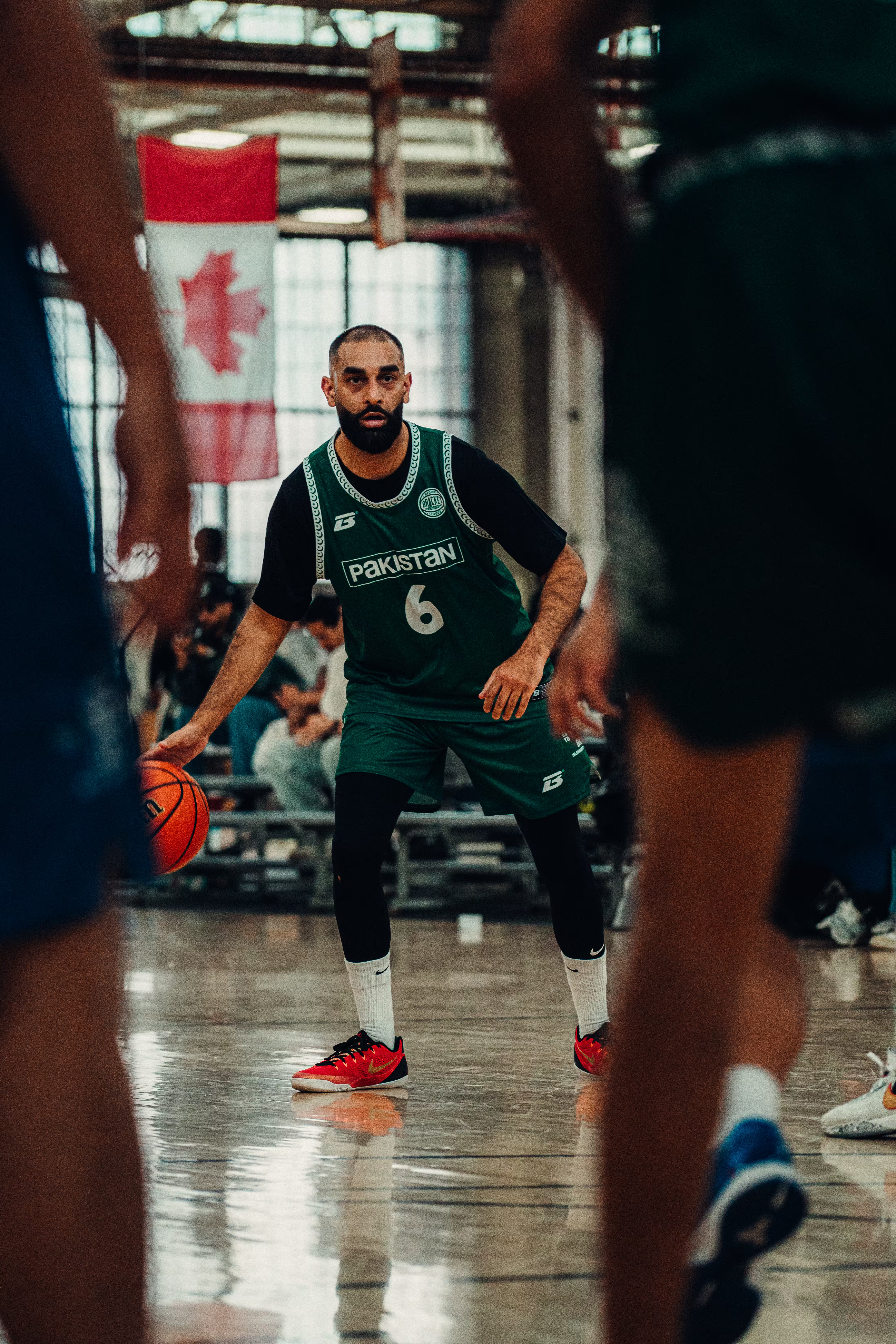
Pakistan's relationship with sport is rooted in community and celebration. The country produces athletes with enormous heart, players who compete for their people as much as for themselves. There is a festive quality to Pakistani sporting culture, a love of the game that extends well beyond the final whistle into the food and the music and the conversation that follows. Pakistan brings that full celebration to the court.
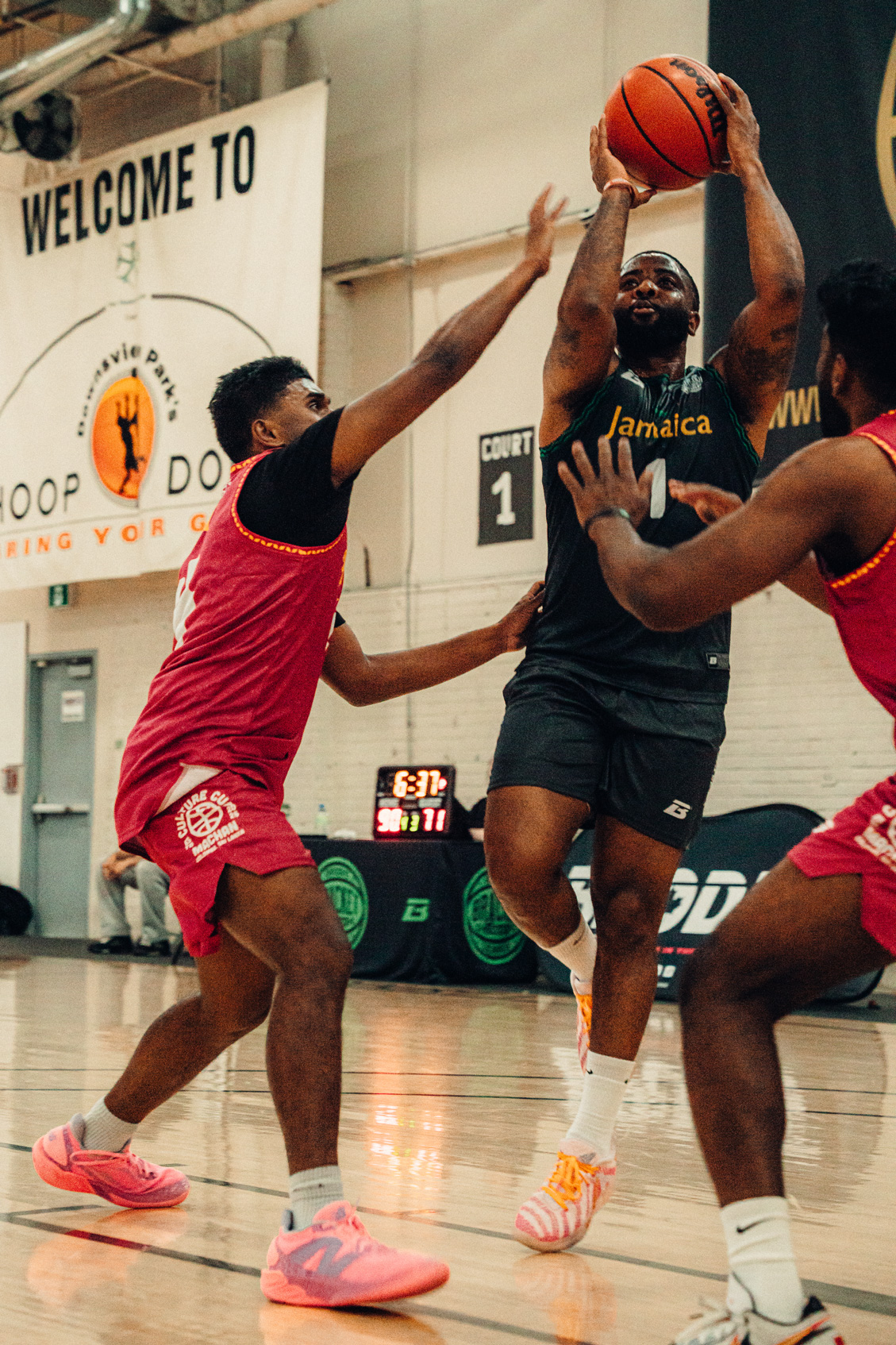
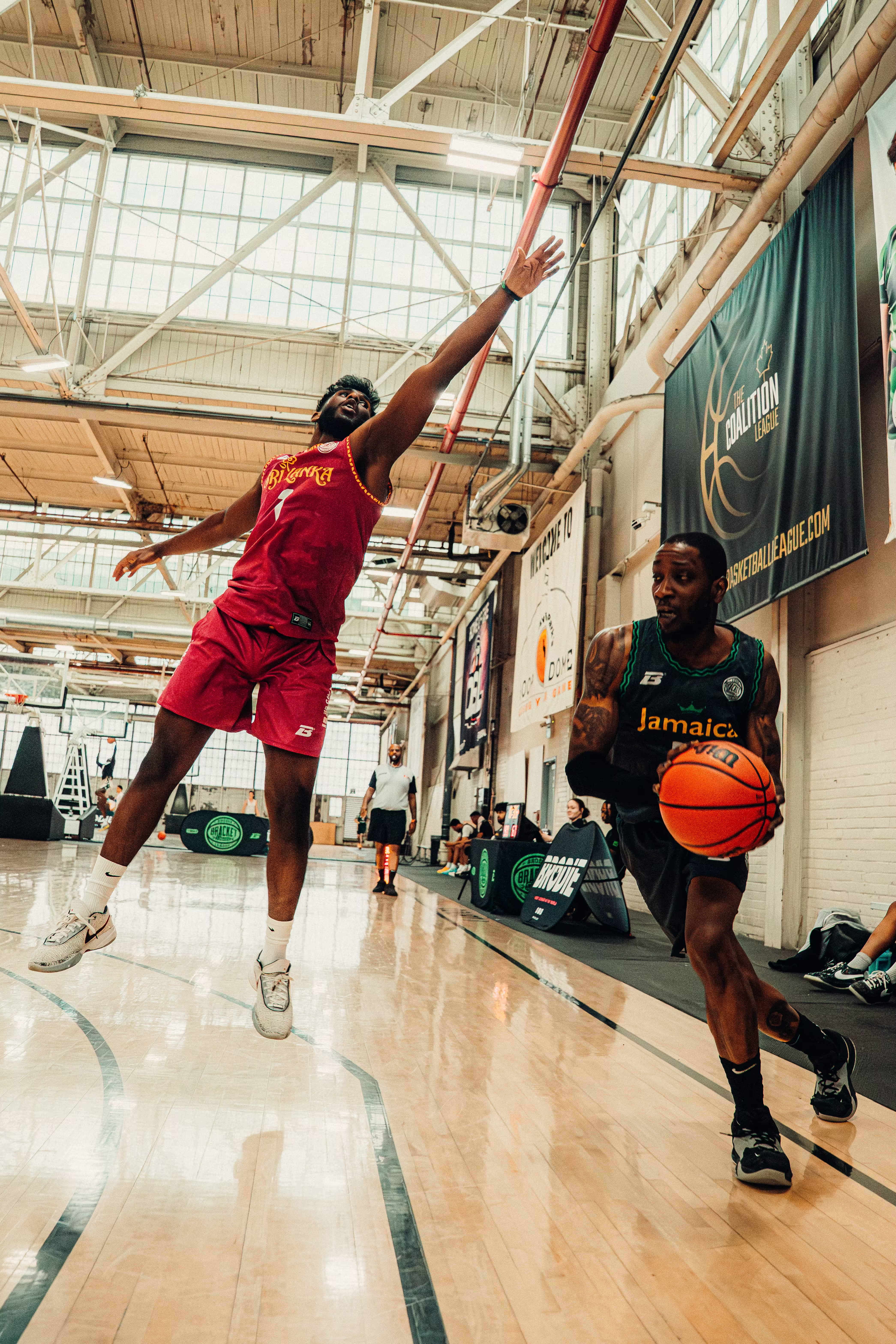
Jamaica brings the frequency. There is a rhythm to Jamaican culture that gets into everything, sport included. The way Jamaican athletes compete carries the same energy as the music, the food, the street-level creativity that the island exports everywhere it touches. Jamaica doesn't just show up to play. Jamaica shows up to perform, to entertain, to leave the gym louder than it found it.
This is what the Culture Cup is for. Not just competition, but the specific kind of connection that happens when four communities who already share something real finally get to meet on the same court. The rice was always shared. The word was always shared. The tournament is just where we say it out loud.
Four tables. Four kitchens. One tournament.
Come hungry.